Borrowed Scenery English Landscape Tradition
Borrowed scenery uncountable The principle of incorporating background landscape into the composition of a garden found in traditional East Asian garden design. The English garden was a turn of the century ideal and changed many aspects of landscape to the community.

Pin On Colonial House Plans
Borrowed Scenery - Take advantage of views Connectivity - Create visual and physical access from one space to another Recreation - Introduce features which support social and active goals.

Borrowed scenery english landscape tradition. Frederick Law Olmsted-Father of landscape. Borrowed Scenery Whether a distance view of misty mountains the roof lines of a nearby monastery. The gazebo at Elton on the Hill in Nottinghamshire thought to date from the late 18th or early 19th century is a square crenelated brick and stone tower with an arched opening.
Borrowed landscape or borrowed scenery is a concept from traditional East Asian gardening in which naturally occurring features of the surrounding environs are visually incorporated into the garden. The English landscape style is the known influence that shifted from formal symmetrical gardens to a looser irregular style. In this case the architect found inspiration in the slate roof of the adjacent Serpentine Gallery building.
Affected by its surrounding environment the piece changes with the sun wind and rain in ways one cannot predict. -The foremost English fountain engineer of his day. The first to propose it however was the Chinese garden.
A religious or philosophical tradition of Chinese origin which emphasizes living in harmony with the Tao. The garden is designed so that its manicured foreground fuses mimetically and metonymically with the forms of the hills in the more. The term itself was not used in Japan until the nineteenth century though the idea of using elements of the landscape external to the garden certainly predates this time.
Shakkei is the Japanese term for the use of borrowed scenery or borrowed landscape as part of the integral composition of a garden. Borrowed scenery and meandering pathways view corridors and clumping and dotting strict symmetry and axes a natural pastoral appearance 1 1 pts Question 5 What was the primary purpose of a haha. It was also widely used in Chinese gardens and may also be found as a design.
Jijng is the principle of incorporating background landscape into the composition of a garden found in traditional East Asian garden designThe term borrowing of scenery shakkei is Chinese in origin and appears in the 17th century garden treatise Yuanye. Using 61 tons of silvery slate sourced from the English region of Cumbria Ishigami paid homage to the Japanese tradition of shakkei borrowed scenery in which landscape designers take cues from the surrounding environment. Borrowed scenery in Chinese jiejing is an idea in garden design conceptualized by modernist architects in the course of the 1960s.
It acted as a focus for an extensive system of red-brick walled gardens which has survived with some more modern additions. Appreciation of Architecture 317 clumping and dotting of trees 1 1 pts Question 4 Which of the following characteristics is NOT typical of a Picturesque English garden. What does the concept of borrowed scenery refer to in the English landscape tradition creating romantic scenes and scenic views at a distance such as folly or ruin act of rebuilding the city written by Inigo Jones and others did what.
There is a long tradition of providing gardens that could assist in healing dating back to European monastic infirmary gardens of the Middle Ages 19th century asylums and gardens incorporated into pavilion-style hospitals inspired by the work of Florence Nightingale Hickman 2013Sadly in the 20th century with the development of technologies to build high-rise mega. Or the flowers of a neighbors garden. Whether through monumental axes or lines of sight as chahar baghs or with borrowed scenery gardens extended into the landscape.
With the clothes and food from her everyday life woven into traditional Asian pattern designs the screens reflect the shaping of a new multicultural identity that naturally casts shadows fades and sways with its borrowed scenery. In the 17th century the landscape was ordered by geometries that expressed the power and authority of humans over nature.

Pleaching The Art Of Training Trees Garden Landscape Design Landscape Design English Garden
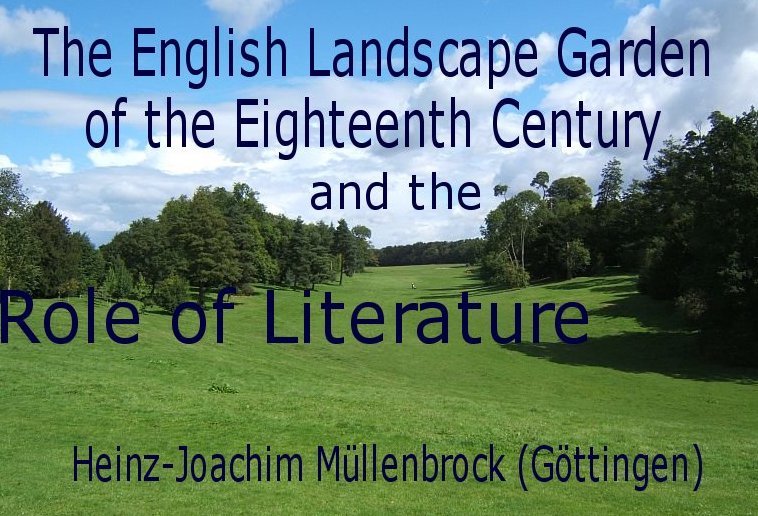
The English Landscape Garden Of The Eighteenth Century And The Role Of Literature

Pin By Ar Families On Her Enchanted Garden Japanese Garden Garden Bench Stone Bench

Painting Surrealism Painting Art Historical Landscape

The Main Differences Between Chinese And Japanese Gardens Shizenstyle

Down The Harbour Tenby By Dorian Spencer Davies Naive Artist Naive Art Amazing Paintings

Cape Cornwall By Graham Evernden Uk Landscapes Landscape Art Landscape

Comparing French Vs English Garden Landscaping

18th Century Landscape Paintings Painting Landscape

The Strange Beauty Of A Japanese Karesansui Garden Financial Times
Divide Hotr Reader Daniel Has Come Across Renderings Of Mark Wahlberg S 34 000 Square Foot French Inspired Mega M Beverly Park Mega Mansions Landscape Plans

Easton Neston House Aerial Image Aerial Images British Houses English House
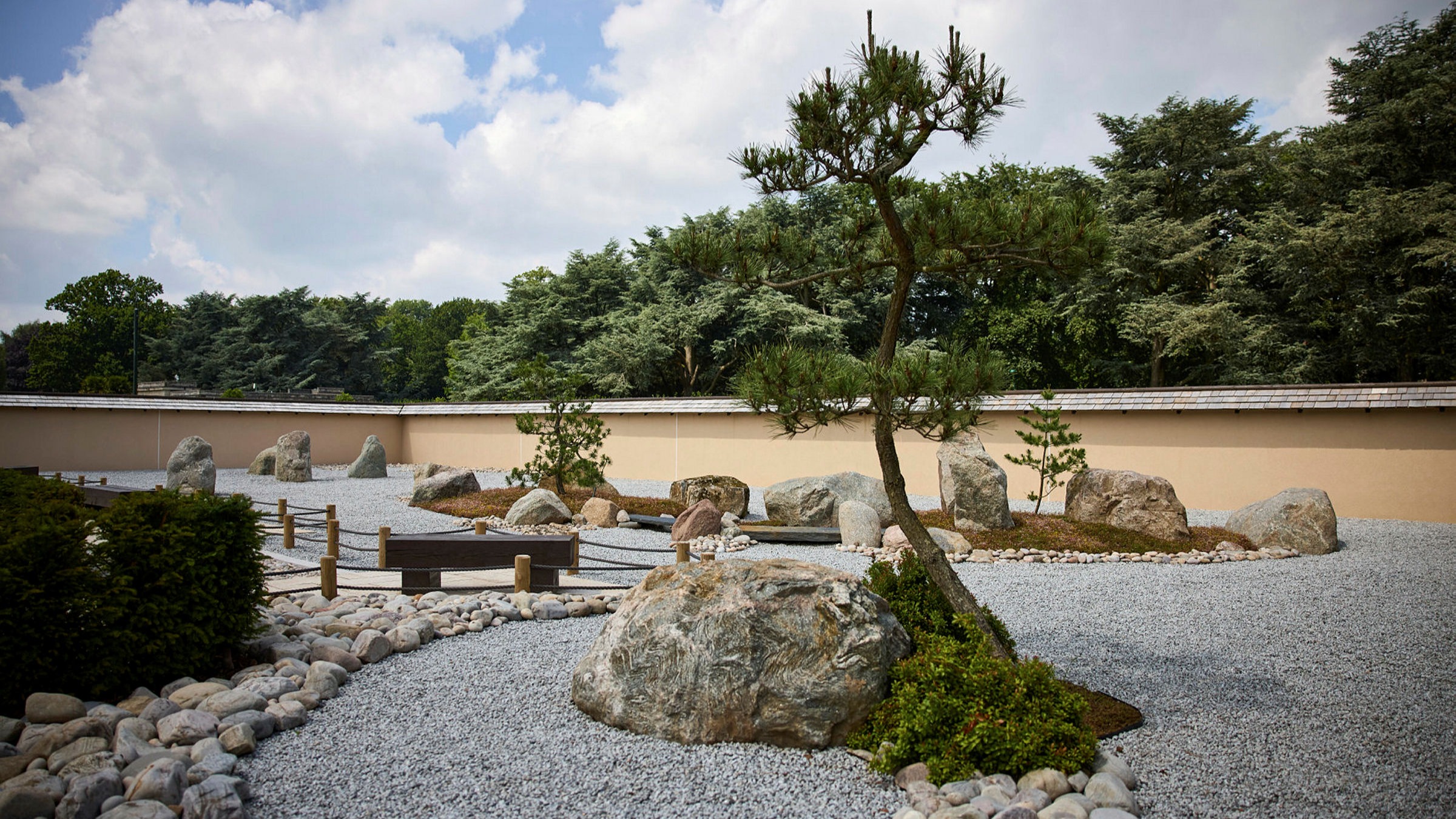
The Strange Beauty Of A Japanese Karesansui Garden Financial Times
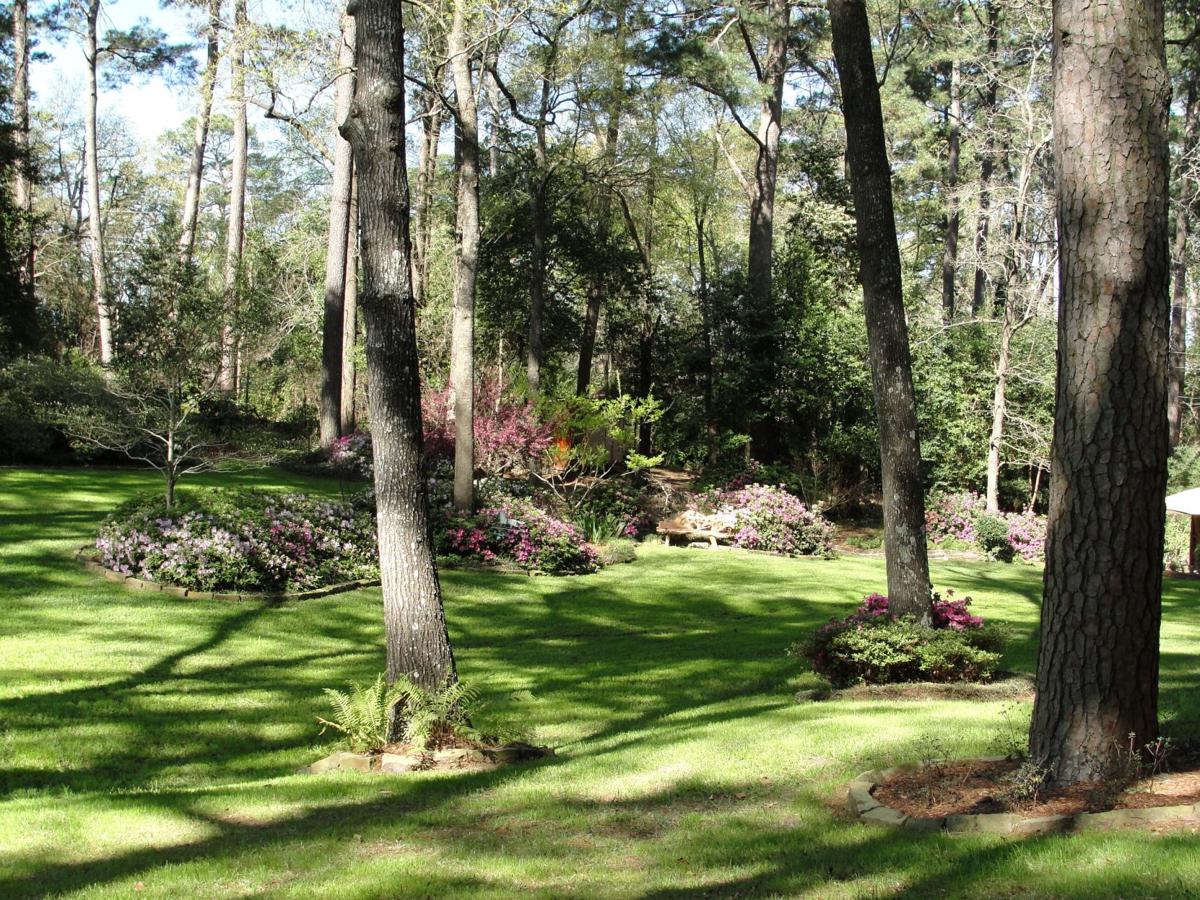
English Tradition Has A Huge Influence On Southern Garden Design Lifestyle Tylerpaper Com

Priory Home English Garden Landscape Love Flowers

Albert Bierstadt Brook In Woods Albert Bierstadt Wood Canvas Print Landscape Paintings

Landscape Near Paliano By Joseph Anton Koch Ca 1825
The English Landscape Garden Of The Eighteenth Century And The Role Of Literature
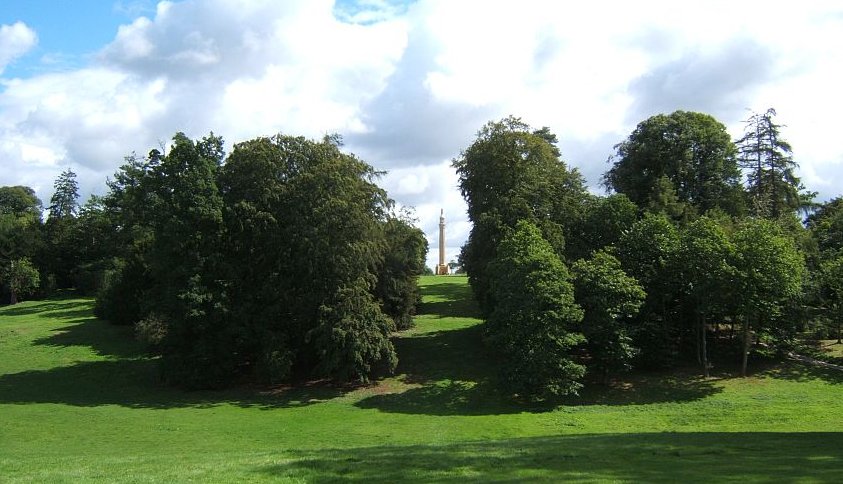

Kiawah Island Kiawah Island Cultural Landscape Landscape Architecture

Posting Komentar untuk "Borrowed Scenery English Landscape Tradition"